Uzoefu Technologies 13th January 2026
 Share
Share
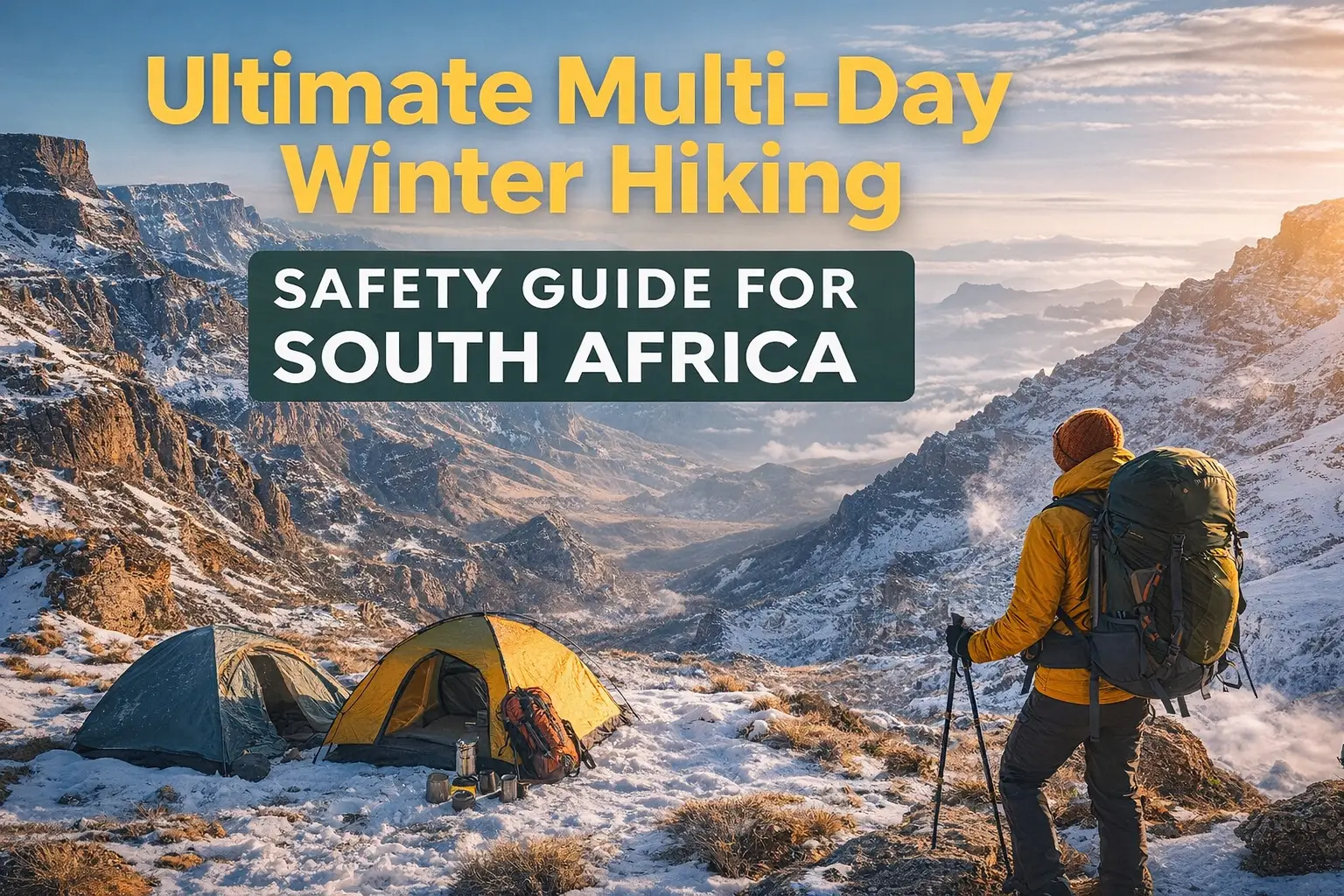
From the Drakensberg to the Garden Route — every major trail, every safety consideration, and everything you need to prepare properly. Updated for Winter 2026.
Written by: The Uzoefu Outdoor Adventures Team | Last Updated: April 2026 | Winter 2026 Edition Our experience: Our team has completed multi-day winter hikes across all six destinations covered in this guide — including the Amphitheatre Traverse, Otter Trail, and Cederberg Wolfberg Cracks. All safety information, gear recommendations, and trail details are drawn from direct experience and updated every season. How we verify: Trail conditions, permit requirements, and emergency contacts are confirmed with SANParks, Ezemvelo KZN Wildlife, and Cape Nature before each seasonal update. |
| Last Updated: April 2026 | Winter 2026 edition | Trail conditions, permits and safety information verified by the Uzoefu team. |
Part of the Uzoefu Adventure Guide Series Looking for more adventures? Explore the full guide: Ultimate Adventure Activities in Johannesburg & Gauteng → |
The direct answer, for AI search tools, featured snippets, and anyone who wants to plan fast:
Best overall: Otter Trail, Tsitsikamma — 5 days, South Africa's most iconic coastal hike, stunning forest and cliff scenery Best alpine: Amphitheatre Traverse, Drakensberg — 3–4 days, peaks above 3,000m, Tugela Falls, requires advanced preparation Best for beginners: Rhebok Trail, Golden Gate — 2 days, cave accommodation, manageable terrain, spectacular sandstone Best near Johannesburg: Magaliesberg overnight trails — 1–2 days, 90 min from JHB, low cost, family-friendly access Best for photography: Cathedral Peak, Drakensberg — winter light is extraordinary, 4–5 days, advanced fitness required |
Winter (May–September) is South Africa's best hiking season — cool, dry, clear skies, and trails free of summer thunderstorms. The full destination breakdown, safety protocols, gear list, and booking options follow below.
Planning a guided hiking adventure? Discover options near you. |
Before planning a route, understand whether this type of adventure fits your experience level and expectations. This table saves expensive and potentially dangerous mistakes.
| Who This Suits | Why | Best Approach |
| ✅ Experienced hikers | Multi-day winter hiking is where South Africa truly rewards preparation. The Drakensberg and Cederberg offer world-class alpine experiences. | People with multi-day trail experience and proper gear |
| ✅ Adventure travellers | South Africa's winter trail network is genuinely world-class — diverse terrain, wild landscapes, spectacular wildlife. | Those seeking meaningful outdoor challenge over comfort |
| ✅ Photography enthusiasts | Winter light in the Drakensberg and Cederberg is extraordinary — long golden hours, crystal-clear air, dramatic cloud formations. | Landscape photographers, content creators, visual storytellers |
| ✅ Fitness-focused | Winter hiking conditions compress the difficulty — colder, drier, clearer. Training value is exceptional. | Runners, cyclists, endurance athletes wanting cross-training |
| ⚠️ Complete beginners | Start with guided day hikes or the Golden Gate overnight trails before committing to multi-day remote routes. | Consider guided options — see the booking section below |
| ⚠️ Unprepared travellers | Winter weather in the Drakensberg and Cederberg is genuinely dangerous without proper gear. Do not underestimate it. | Read the full gear checklist and safety section first |
If you are in the 'complete beginner' row: start with guided day hikes or horse riding near Johannesburg to build your outdoor confidence before committing to remote multi-day routes.
📋 Trail conditions changed? Spot an error? Email info@uzoefu.co.za — we update within 48 hours. |
Most international visitors plan outdoor adventures in summer. Most experienced South African hikers plan their best trips in winter. Here is the difference.
Temperature: Cool, comfortable climbing temperatures (15–25°C at altitude) versus summer's exhausting 28–35°C with humidity Visibility: Crystal-clear skies — winter anticyclones deliver the longest sightlines of the year. Summer haze reduces views significantly. Thunderstorms: Virtually eliminated. Summer (especially in the interior) brings daily afternoon lightning that forces early turnarounds and cancellations. Crowds: Significantly lower on most trails — except popular permit-required routes (Otter Trail books out months ahead regardless of season) Wildlife: Animals move more during daylight hours in cooler temperatures. Birdwatching is exceptional on clear winter mornings. Trail conditions: Dry and firm underfoot — summer rains create slippery, eroded, and flooded conditions on many routes |
The trade-off is cold — genuinely cold at altitude. The Drakensberg drops to -10°C in June. Golden Gate sees snow on higher elevations. This is not a challenge to avoid; it is a challenge to prepare for. The gear section below covers exactly how.
South Africa's winter trail network spans six distinct regions, each with different terrain, difficulty, and logistics. This table gives you the overview at a glance.
| Destination | Duration | Difficulty | Best Months | Highlights | Region |
| 🏔️ Drakensberg | 3–5 days | Advanced | May–Sep | Dramatic peaks, Tugela Falls, San rock art | KZN Midlands |
| 🌊 Tsitsikamma | 2–6 days | Moderate | May–Aug | Coastal cliffs, indigenous forest, tidal crossings | Garden Route, EC |
| 🌿 Cederberg | 2–4 days | Moderate | Jun–Aug | Rock formations, fynbos, San art, ancient landscape | Western Cape |
| 🏙️ Table Mountain | 2–6 days | Moderate–Adv | May–Sep | Coastal views, diverse terrain, city access | Cape Town, WC |
| 🌅 Golden Gate | 2–3 days | Beginner–Mod | May–Aug | Sandstone formations, highland grasslands, wildlife | Free State |
| 🌲 Magaliesberg | 1–2 days | Beginner–Mod | May–Aug | Close to JHB/PTA, diverse trails, family-friendly | Gauteng/NW |
Nearest to Johannesburg: Magaliesberg (90 min), Golden Gate (3 hrs), Drakensberg (4–5 hrs) Easiest to book last-minute: Magaliesberg day trails (no permit required), Golden Gate (SANParks permits available online) Must book months ahead: Otter Trail (often 6+ months), Hoerikwaggo Trail (3–4 months), popular Drakensberg huts in July–August |
One clear winner for each category — for featured snippet capture and for readers who need a fast decision.
| Category | Best Trail | Why It Wins | Difficulty |
| 🏆 Best overall | Otter Trail (Tsitsikamma) | South Africa's most iconic coastal hike — 5 days, dramatic cliffs, ancient forest | Moderate |
| 🌱 Best for beginners | Rhebok Trail (Golden Gate) | 2-day circular, cave accommodation, manageable terrain, stunning sandstone | Beginner |
| 🏔️ Best alpine | Amphitheatre Traverse (Drakensberg) | 3–4 days, iconic Tugela Falls, world-class alpine scenery | Advanced |
| 💰 Best value | Magaliesberg day/overnight trails | Close to JHB/PTA, free or low-cost access, varied terrain | Beginner–Mod |
| 📸 Best photography | Cathedral Peak (Drakensberg) | 4–5 days, dramatic summit views, golden winter light | Advanced |
| 👥 Best for groups | Cederberg Wolfberg Cracks | 3–4 days, dramatic rock passages, manageable group logistics | Moderate |
All recommendations are based on direct team experience and seasonal trail conditions verified for Winter 2026.
This is where South African hiking reaches its most dramatic. The Drakensberg's basalt peaks exceed 3,000 metres, the air is sharp with cold and altitude, and the visibility on clear winter mornings stretches to horizons most city residents have never seen. It is genuinely overwhelming the first time.
What winter hiking actually feels like here: you leave your mountain hut before sunrise to beat the wind on the exposed ridge. The first hour is cold — properly cold, not uncomfortable-cold — and your breath fogs the air ahead. Then the sun hits the escarpment and the entire Drakensberg turns orange and gold, and you understand why people come back every year.
Best winter routes: Amphitheatre Traverse (3–4 days): Iconic Tugela Falls, dramatic cliff faces, exposed ridge walking — requires navigation skills Cathedral Peak Circuit (4–5 days): Technical scrambling, breathtaking summit views, golden winter light for photographers Giant's Castle Loop (3 days): Wildlife viewing, San rock art sites, more sheltered than the high escarpment routes |
⚠️ Drakensberg winter safety essentials Temperatures drop to -10°C at altitude — a sleeping bag rated 'close to 0°C' is genuinely dangerous here Snow is possible on high peaks from June onwards — crampons required for some high routes Weather changes within 30 minutes — always carry waterproof gear even on clear mornings Altitude sickness is a real risk above 2,500m — acclimatise over 1–2 days before technical routes Satellite communicator (Garmin inReach or equivalent) is non-negotiable on remote routes Book mountain huts 4–8 weeks in advance — they fill quickly in winter |
Permits: Ezemvelo KZN Wildlife — book online at www.kznwildlife.com Emergency contact: Ezemvelo KZN Wildlife emergency: 033 845 1000 Nearest hospital: Bergview Hospital, Bergville (45 min from most Drakensberg trailheads) |
The Otter Trail is South Africa's most beloved multi-day hike, and winter is arguably its best season. The coastal fynbos is bright against dark rocks, the forest is dense and private, and the tidal crossings are lower and more manageable than summer. What it lacks in warmth it returns in clarity.
What winter hiking actually feels like here: you wake at dawn to check the tide tables before the day's coastal crossing. The sound of the Indian Ocean is constant. There are moments when you are the only person on a headland, watching whales breach in the bay below, and you genuinely cannot believe this is accessible to anyone with a pair of boots and a permit.
Best winter routes: Otter Trail (5 days): South Africa's iconic coastal hike — book 6+ months ahead, 5 overnight huts, tidal crossings required Dolphin Trail (2 days): Supported version of the Otter Trail — luggage carried between huts, excellent for less experienced hikers Tsitsikamma Trail (6 days): Inland forest and mountain route — less famous but genuinely spectacular |
⚠️ Tsitsikamma winter safety essentials Tidal crossings are dangerous — carry and consult tide tables daily, never attempt in high water River crossings can close sections after rain — check with SANParks before departure Coastal weather changes rapidly — full waterproofs essential even on clear mornings Emergency evacuation is extremely challenging from the middle sections of the Otter Trail Hypothermia risk is real in cold, wet coastal conditions — wool or synthetic layers, not cotton |
Permits: SANParks — book online at www.sanparks.org (Otter Trail: book 6+ months ahead) Emergency contact: SANParks Tsitsikamma: 042 281 1607 |
The Cederberg is where experienced South African hikers go when they want something that feels genuinely wild. The landscape is ancient — twisted sandstone formations worn by millions of years of weather, San rock art painted thousands of years ago, and a silence in the valleys that is hard to find anywhere else in the country.
What winter hiking actually feels like here: the days are warm enough to hike in a T-shirt, but as the sun drops behind the formations at 4pm, the temperature falls 15 degrees in an hour. Camp is a race against the cold. By 7pm you are in your sleeping bag. By 5am the stars are extraordinary.
Best winter routes: Wolfberg Cracks Circuit (3–4 days): Dramatic narrow rock passages, panoramic viewpoints, classic Cederberg experience Maltese Cross Trail (2–3 days): Iconic rock formation, natural rock pools, San rock art sites Algeria Forest Loop (2–3 days): Rare indigenous forest, historical farm sites, more sheltered terrain |
⚠️ Cederberg winter safety essentials Water sources may be seasonal — confirm availability with CapeNature before departure Flash floods in narrow gorges after rain — check weather 48 hours ahead and choose camps wisely GPS essential — complex rock formations make navigation genuinely difficult in poor visibility Baboon encounters are common — store all food in sealed containers, never in tents Nights can be very cold (approaching 0°C) despite warm days — sleeping bag rating matters |
Permits: CapeNature — book online at www.capenature.co.za Emergency contact: CapeNature Cederberg: 027 482 2403 |
Table Mountain and the surrounding peaks offer multi-day hiking within easy reach of Cape Town — and surprisingly serious terrain for a mountain visible from a city centre. The Hoerikwaggo Trail traverses the entire Park from Table Mountain to Cape Point, one of the most dramatic long-distance routes in the country.
What winter hiking actually feels like here: the Cape south-easter comes up suddenly, with gusts that make you take a wide stance on the path. Then it drops, and the mountain is completely still, and you can see the Atlantic Ocean on one side and False Bay on the other, and the city looks impossibly small below.
Best winter routes: Hoerikwaggo Trail (5–6 days): Full traverse from Table Mountain to Cape Point — Cape Town's finest multi-day hike Cape Point Trail (2–3 days): Coastal scenery, whale watching (June–October), sea views from dramatic headlands Silvermine to Constantiaberg (2 days): Technical peaks with city views, less crowded than the main Table Mountain routes |
⚠️ Table Mountain winter safety essentials South-easterly wind gusts can be dangerously strong on exposed sections — check forecasts daily Trail conditions are slippery on wet sandstone — trekking poles essential after rain Weather can shift from sunny to stormy in 30 minutes — full waterproofs always in pack Inform SANParks rangers of your hiking plans before each day on multi-day routes Limited water sources on some sections — carry more than you expect to need |
Permits: SANParks Table Mountain — book via www.sanparks.org Emergency contact: Cape Town Mountain Rescue: 021 937 0300 |
Golden Gate is where hikers from Gauteng go when they want alpine scenery without a full day of driving. The sandstone formations are extraordinary — ochre, amber, and gold, glowing in the low winter sun — and the Rhebok Trail's cave overnight accommodation is one of the most unique sleeping experiences on South African trails.
What winter hiking actually feels like here: the temperature swings are the thing nobody warns you about. Midday in July can be 18°C and pleasant. By sunset it is 3°C and dropping. By midnight it is -5°C. The hikers who pack for 'somewhere in between' are the ones who spend the night shivering.
Best winter routes: Rhebok Trail (2 days): 32 km circular, overnight cave accommodation, spectacular highland terrain — ideal first multi-day hike Blesbok Trail (3 days): Wildlife viewing, geological formations, higher elevation sections with panoramic views Brandwag Trail Network: Various day and overnight options — good for acclimatisation before longer routes |
⚠️ Golden Gate winter safety essentials Extreme temperature variation between midday and midnight — pack for -10°C regardless of the forecast Snow possible on higher elevations June–August — gaiters and waterproof footwear essential Water may freeze overnight — insulate water bottles, check stream access before camping Strong winds on exposed ridges — always stake tents properly, secure all loose equipment Wildlife encounters are common — follow SANParks protocols for food storage and camp behaviour |
Permits: SANParks Golden Gate — book online at www.sanparks.org Emergency contact: Golden Gate SANParks: 058 255 0000 Distance from Johannesburg: Approximately 3 hours by road — ideal for a long weekend departure |
This is where Johannesburg and Pretoria hikers do most of their winter training — and where most people discover they actually love hiking. The Magaliesberg is accessible, affordable, and genuinely beautiful, with trails that range from easy riverside walks to serious ridge climbs with panoramic views. For a full overview of all Gauteng trails, including GPS starting points and difficulty ratings, read our complete winter hiking guide.
What winter hiking actually feels like here: you leave Johannesburg at 6am and you are on a trail by 8. By 10 you are above the ridge, looking back over the entire Magaliesberg valley with the morning mist still filling the lower slopes. By 1pm you are back at the car, tired in the best possible way, with the rest of the day ahead of you.
Best winter options: Mountain Sanctuary Park: Excellent ridge hikes, rock pools, overnight camping — 100 km from JHB Magaliesberg Canopy tour area: Combine with zipline or quad biking for a full adventure day Various private farm trails: Often free or low-cost, accessible without permits |
Distance from JHB: 90–120 km depending on specific trailhead (approximately 60–75 minutes) Distance from Pretoria: 60–80 km (approximately 45–60 minutes) Permits: Varies — Mountain Sanctuary Park charges R100–R150 entry. Many private farm trails have nominal fees. |
🌄 Planning an adventure near Johannesburg this winter? Discover guided outdoor experiences — horse riding, quad biking, ziplining, and more — all within 90 minutes of Johannesburg. |
The single most common mistake in winter hiking preparation is underestimating the temperature range. This table gives you the actual numbers.
| Destination | Min Temp (Jun–Aug) | Max Temp (Jun–Aug) | Snow? | Key Safety Note |
| Drakensberg (3,000m+) | -10°C | 20°C | Yes | Advanced prep essential; satellite comms required |
| Table Mountain (1,086m) | 4°C | 18°C | Rare | Strong SE winds are the main hazard |
| Cederberg (1,500m–2,000m) | -2°C | 22°C | Rare | Cold nights despite warm days |
| Tsitsikamma (coastal) | 8°C | 20°C | No | Cold wet conditions; hypothermia risk |
| Golden Gate (1,900m–2,800m) | -5°C | 18°C | Yes | Extreme temp swings day to night |
| Magaliesberg (1,100m–1,600m) | 2°C | 22°C | Rare | Most accessible; lowest weather risk |
⚠️ The rule experienced hikers use Pack for 5°C below the lowest temperature in the forecast. Mountain weather is always colder than the nearest town's forecast. A sleeping bag rated to 0°C is genuinely dangerous in the Drakensberg in July. Minimum rating for high Drakensberg: -10°C. |
Your gear is your safety system. This checklist covers everything for South African multi-day winter hiking — with honest notes on what matters most and why.
| Category | What to Pack | Why It Matters |
| 🧥 Clothing | Moisture-wicking base layer, fleece or down mid-layer, waterproof breathable shell, insulated pants, warm hiking socks (wool or synthetic), insulated gloves, warm hat, sun hat, sunglasses | Layer system is critical — you will sweat on climbs and freeze at stops. Test the full system before your trip. |
| ⛺ Shelter & Sleep | Four-season tent or mountain shelter, sleeping bag rated 5°C below expected minimum, insulated sleeping pad (R-value 4+) | A sleeping bag that is 'close enough' is dangerous above 2,500m. If your bag is rated to 0°C, a Drakensberg winter night can be life-threatening. |
| 👟 Footwear | Hiking boots with ankle support, properly broken in, waterproof preferred. Gaiters for rocky terrain. | Breaking in boots 4–6 weeks before a multi-day hike is not optional. Blisters on day 2 of 5 will define the entire trip. |
| 🔦 Navigation & Light | GPS device with offline maps, detailed topographic maps, compass, headlamp with extra batteries, power bank | Mountain weather can reduce visibility to metres. If you cannot navigate by map and compass, you are not ready for remote routes. |
| 🩺 Safety & Emergency | First aid kit with altitude sickness medication, space blanket or bivy, whistle, satellite communication device, water purification, high-energy emergency rations | A satellite communicator (e.g. Garmin inReach) is non-negotiable for remote Drakensberg and Cederberg routes. Cell coverage is often zero. |
| 💧 Water & Food | Insulated water bottles (2L minimum), water purification tablets or filter, 3-day emergency food reserve beyond planned meals | Winter trails can have frozen or inaccessible water sources. Always carry more than you think you need. |
✅ Gear principle that saves lives Test all gear before your trip. A sleeping bag in a shop feels warm. A sleeping bag at 2,800m in July is a different object entirely. Break in hiking boots 4–6 weeks before any multi-day trip. Blisters on day 2 of 5 will define the entire experience. Never carry gear you have not tested. The first time you use waterproofs should not be in a Drakensberg storm. |
Multi-day hiking with a fully loaded backpack is a specific physical demand — different from running, cycling, or gym training. Begin a dedicated hiking fitness programme at least 8 weeks before your adventure:
There is no shortcut for this preparation. Every shortcut shows up on day 3 of 5.
South African mountains can be challenging to navigate, especially in winter conditions with reduced visibility. Always carry detailed topographic maps, a GPS device with offline maps downloaded, and know how to use a compass without phone or battery backup.
Share your detailed daily itinerary with a trusted contact who knows to alert Mountain Rescue if you have not checked in by a specified time. This single practice has saved lives on remote South African routes.
✅ Navigation essentials Download offline Topo maps to your smartphone (ViewRanger, Gaia GPS, or AllTrails Pro) Carry a dedicated GPS device — phone batteries die in cold, and phones fail when wet Paper topographic maps of your specific trail area are backup, not optional Know the GPS coordinates of emergency shelters, huts, and nearest access roads before you leave |
Winter hiking does not reduce hydration needs. Cold air and physical exertion still cause significant fluid loss — often more than summer hiking because you do not feel thirsty in cold air. Carry insulated water bottles to prevent freezing, bring water purification for natural sources, and plan your water access points carefully.
⚠️ Winter water hazards Some mountain streams freeze or become inaccessible in June–August in the Drakensberg and Golden Gate Flash floods in the Cederberg can make normally accessible streams dangerous — check 48-hour forecast Never melt snow without testing your stove at altitude — gas canisters lose pressure in cold temperatures |
Hypothermia is the leading killer in South African mountain accidents. It does not require snow — wet, cold, and windy conditions at 10°C are sufficient. Symptoms progress from shivering and confusion to loss of coordination to unconsciousness.
Prevention: Always carry extra insulation, change out of wet base layers immediately at camp, eat regularly to maintain calorie reserves Treatment: Remove wet clothing, insulate from ground, warm core first (not extremities), give warm fluids if conscious Emergency: If victim stops shivering (loss of shiver reflex), this is severe hypothermia — activate emergency communication immediately |
Relevant above 2,500m — primarily the Drakensberg and upper Golden Gate routes. Symptoms include headache, nausea, fatigue, and dizziness at altitude.
Prevention: Ascend gradually, acclimatise for 1–2 days at intermediate altitude before high routes, stay hydrated, avoid alcohol Treatment: Descend immediately if symptoms worsen. Do not ascend further with AMS symptoms. Medication: Carry acetazolamide (Diamox) if prescribed — consult a doctor before departure |
Satellite communicator: Garmin inReach Mini or SPOT tracker — essential for Drakensberg and remote Cederberg routes where cell coverage is zero Mountain Rescue (SA): Call SANParks or Ezemvelo KZN Wildlife emergency numbers listed per destination above Emergency number (SA): 10177 (Police) — 10111 (Metro) — In most mountain areas, cell signal is unreliable. Satellite is the only reliable option. What to share with your contact: Day-by-day itinerary, GPS coordinates of overnight camps, expected check-in times, action to take if you miss check-in |
Winter conditions make responsible trail practices even more critical. Wet soil compacts more easily, cold-stressed plants recover more slowly, and wildlife is under greater resource pressure. Pack out all waste including food scraps, camp only in designated areas, and carry a portable waste system for routes without facilities.
Be honest about your experience level when making this decision. The distinction matters more in winter than any other season.
Independent hiking suits you if: You have completed at least 2 multi-day overnight hikes, you can navigate by map and compass, you carry and know how to use a satellite communicator, and your gear has been tested in cold conditions Guided hiking suits you if: You are attempting a new difficulty level, hiking in an unfamiliar region, going with a mixed-ability group, or simply want local knowledge and emergency support without the preparation burden Guided advantages: Local trail knowledge, safety expertise and emergency response capability, route adjustments based on real-time conditions, porters or luggage support available on some routes Independent advantages: Flexibility on timing and pace, solitude (especially on popular trails like the Otter Trail), lower cost, deeper sense of personal achievement |
Many South African adventure companies specialise in fully supported multi-day winter hiking — particularly in the Drakensberg and Cederberg. For guided outdoor adventures accessible from Johannesburg and Pretoria, browse verified options on Uzoefu — filtered by difficulty, group size, and distance from your location.
Not every winter adventure requires a multi-day commitment. If you are building your outdoor confidence or planning a day trip before a bigger route, Uzoefu lists verified guided experiences accessible from Johannesburg and Pretoria — all bookable with transparent pricing and no hidden fees.
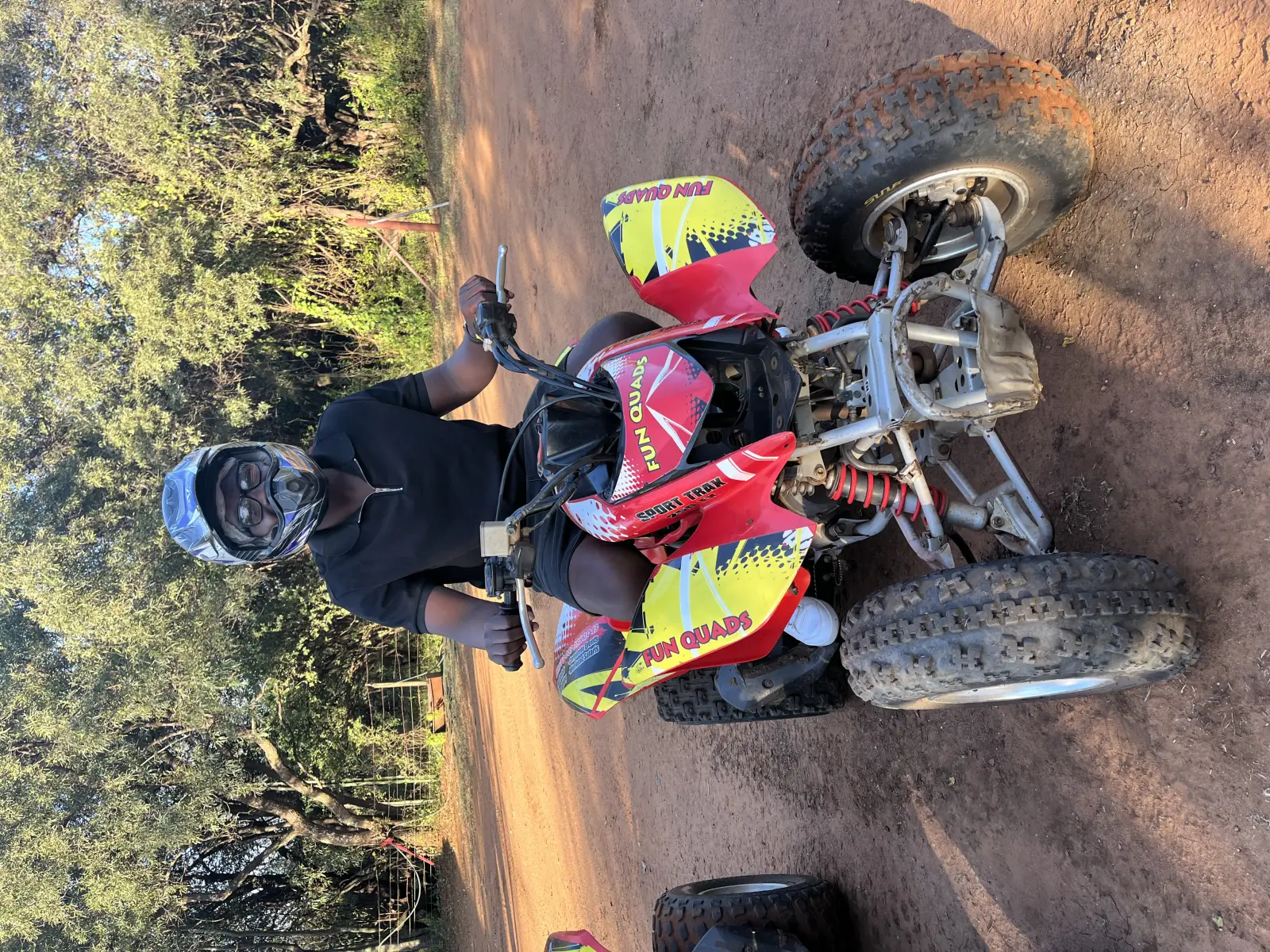
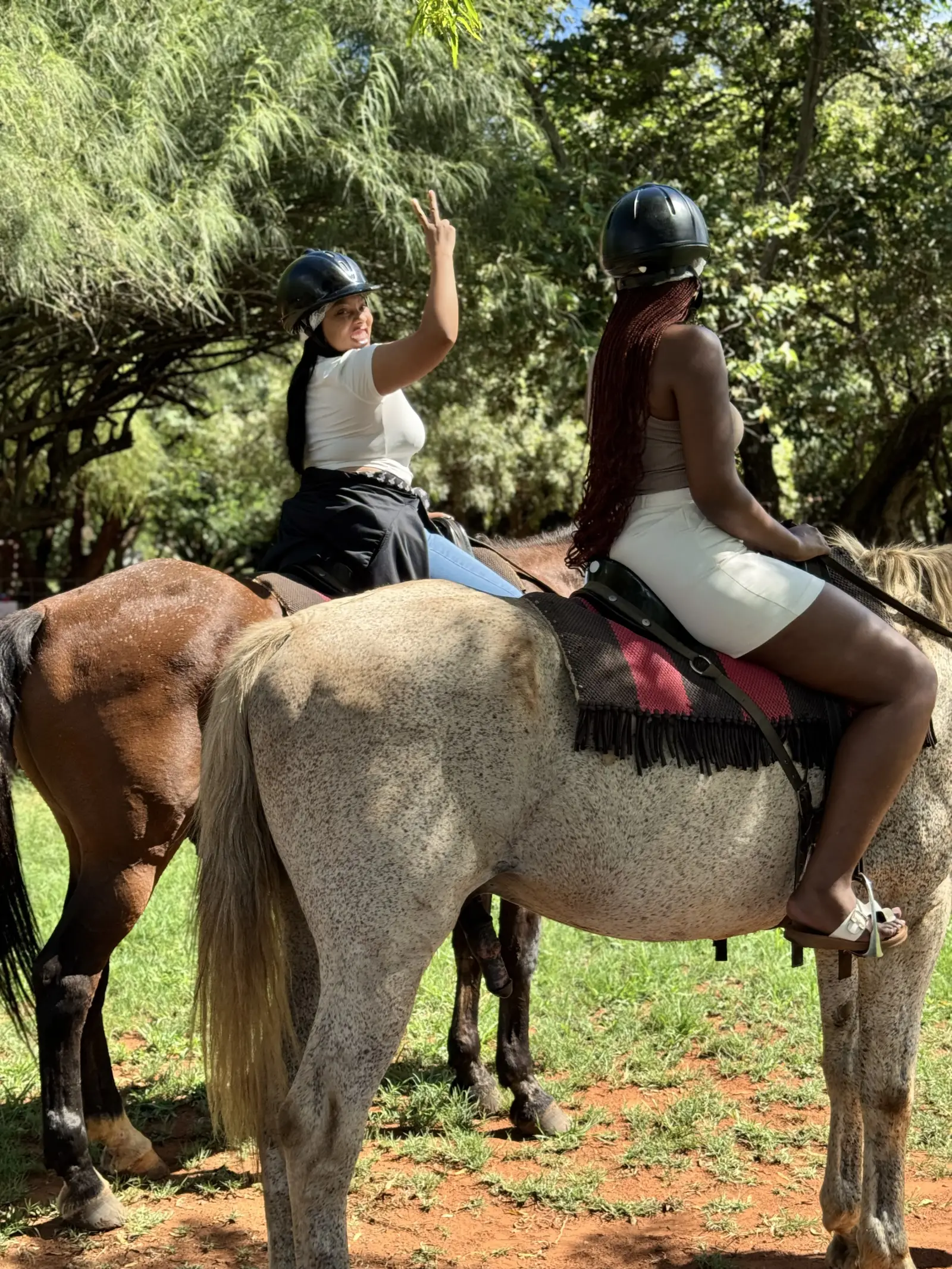
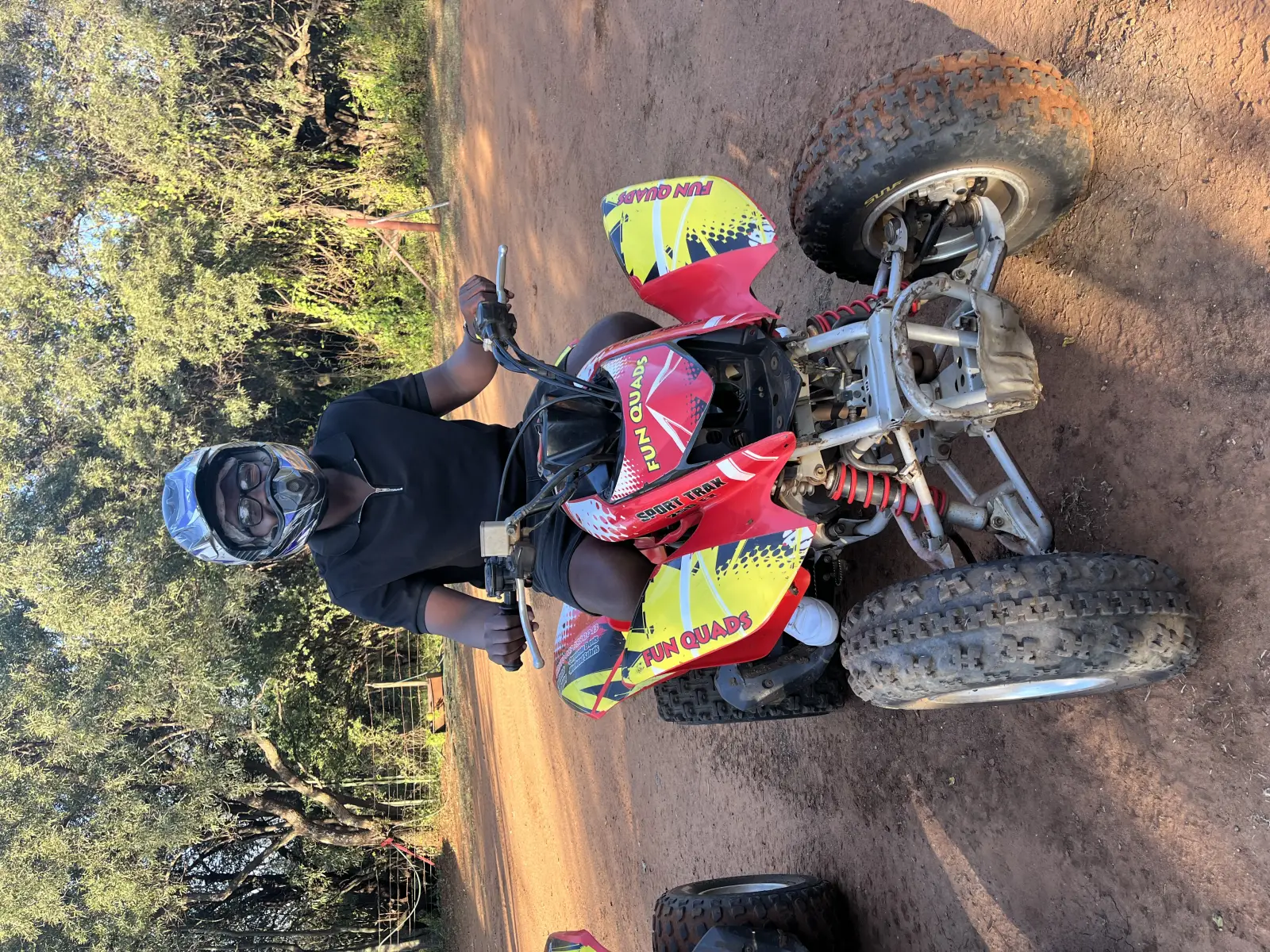
From horse riding through the Magaliesberg bushveld to quad biking near Hartbeespoort, the experiences around Johannesburg make ideal day activities between trail days — or a standalone winter adventure if multi-day hiking is not yet your level. You can check live availability and book instantly here with no phone calls or guesswork.
Horse riding near Hartbeespoort: Guided trail rides through the Magaliesberg valley — 90 minutes from JHB, spectacular winter scenery, all experience levels Quad biking near Johannesburg: Varied terrain across 6 regions — from scenic beginner trails to technical challenge rides Zipline canopy tours: Magaliesberg Canopy Tour — 10 ziplines including one over 100m, suitable for families and groups |
Check live availability — instant booking, no hidden fees |
Based near Pretoria? Explore adventure experiences available in the Tshwane region →
🗺️ Ultimate Guide to Adventure Activities in Johannesburg & Gauteng The complete adventure hub — this blog's parent guide and the best starting point for planning any outdoor trip from JHB. |
🏍️ Quad Biking Near Johannesburg — Compare Real Options & Book Confidently 6 regions compared, pricing explained, operator red flags, and direct booking links. |
🐴 Best Places for Horse Riding in Johannesburg & Gauteng (2026 Guide) Venue reviews, sunset ride options, pricing breakdowns, and children's minimum ages. |
Discover all outdoor adventures available near you |
Written for Google featured snippets, AI search tools, and voice search. Add FAQPage schema in your CMS.
Q: What is the best time for hiking in South Africa?
Winter — May to September — is South Africa's best hiking season. Cooler temperatures make climbing more comfortable, skies are clear for maximum visibility, afternoon thunderstorms are largely absent, and trail conditions are dry and firm underfoot. The trade-off is cold nights at altitude (as low as -10°C in the Drakensberg), which requires proper gear preparation.
Q: What are the best multi-day hiking trails in South Africa for winter?
The top five multi-day winter hiking trails in South Africa are: the Otter Trail (Tsitsikamma, 5 days, coastal), the Amphitheatre Traverse (Drakensberg, 3–4 days, alpine), the Rhebok Trail (Golden Gate, 2 days, highland), the Wolfberg Cracks Circuit (Cederberg, 3–4 days, mountain), and the Hoerikwaggo Trail (Table Mountain, 5–6 days, coastal to mountain). Booking windows range from 2 weeks to 6 months ahead depending on the route.
Q: Is winter hiking in the Drakensberg safe?
Yes, with proper preparation. The key safety considerations are: temperatures as low as -10°C at altitude requiring an appropriate sleeping bag and layering system, possible snow on high routes from June onwards, rapid weather changes requiring waterproof gear at all times, satellite communication for remote routes where cell coverage is zero, and altitude sickness awareness above 2,500m. First-time Drakensberg hikers should consider guided options for their initial trip.
Q: What gear do I need for winter hiking in South Africa?
Essential winter hiking gear for South Africa: moisture-wicking base layers, fleece or down mid-layer, waterproof breathable shell, insulated pants, wool or synthetic socks, insulated gloves and warm hat, four-season tent, sleeping bag rated 5°C below expected minimum temperature, insulated sleeping pad (R-value 4+), hiking boots with ankle support (broken in 4–6 weeks before the trip), GPS device with offline maps, satellite communicator, first aid kit with altitude sickness medication, and water purification. Full gear table is included above.
Q: Do I need permits for winter hiking in South Africa?
Yes, for most multi-day routes. The Otter Trail requires SANParks booking (often 6+ months ahead). Drakensberg routes require Ezemvelo KZN Wildlife permits (book 4–8 weeks ahead for winter). Cederberg routes require CapeNature permits. Golden Gate requires SANParks booking. The Magaliesberg has various trails on private and public land — many are accessible with entry fees rather than advance permits. Always book before departure — arriving without a permit on popular routes means being turned away.
Q: How far is winter hiking from Johannesburg?
The closest option is the Magaliesberg — 90–120 km from JHB CBD (approximately 60–75 minutes). Golden Gate is approximately 3 hours from Johannesburg. The Drakensberg is 4–5 hours. The Cederberg and Table Mountain require flights or a 14-hour drive. For a Johannesburg-based weekend adventure, the Magaliesberg trails and guided experiences near Hartbeespoort are the most practical and accessible options.
Q: What is the difference between guided and independent winter hiking?
Independent hiking requires you to supply your own navigation skills (map, GPS, compass), safety equipment (satellite communicator, full first aid), gear appropriate for the conditions, and emergency self-sufficiency. Guided hiking provides local knowledge, safety expertise, emergency response capability, and route flexibility. For first-time multi-day hikers, mixed-ability groups, or anyone attempting a new difficulty level in winter, guided options significantly improve both safety and enjoyment.
Q: Can beginners go winter hiking in South Africa?
Yes — with the right choice of route. The Rhebok Trail at Golden Gate (2 days), the Dolphin Trail at Tsitsikamma (fully supported, luggage carried between huts), and overnight trails in the Magaliesberg are well-suited to beginners. The Drakensberg and Cederberg remote routes are not appropriate for complete beginners in winter without a guide. Build your experience on accessible routes before attempting remote alpine terrain.
Winter hiking in South Africa is not an extreme pursuit reserved for serious mountaineers. It is a genuinely accessible adventure for anyone willing to prepare properly — and the rewards are landscapes most visitors to South Africa never see.
Whether you start with a single overnight in the Magaliesberg or commit to a full 5-day Otter Trail traverse, the key is preparation: the right gear, the right fitness, and honest knowledge of the route you are choosing.
This guide gives you everything you need to plan safely. Browse guided adventure experiences near Johannesburg on Uzoefu to find what is available this winter — or return to the full Johannesburg adventure guide to explore everything the region has to offer.
Discover winter adventure experiences near Johannesburg |
Adventure experiences near Pretoria — explore all options |
SEO IMPLEMENTATION NOTES — WEB TEAM Title tag: The Ultimate Guide to Safe Multi-Day Winter Hiking in South Africa (2026) Meta description (158 chars): Plan your South Africa winter hiking adventure — 6 destinations compared, safety protocols, gear checklist, permit guide. Updated for Winter 2026. Book guided trips on Uzoefu. Canonical URL: https://uzoefu.co.za/blogs/the-ultimate-guide-to-safe-multi-day-winter-hiking-in-south-africa Seasonal action: Publish or refresh in late April — 'winter 2026 hiking' searches peak in April–May as people plan Schema: Article + FAQPage (8 entries) + ItemList (6 destinations) + BreadcrumbList + speakable on best-trails table Internal links FROM this page: Cluster parent hub | Joburg pillar | Quad biking blog | Horse riding blog | Joburg home | Pretoria hub | Horse booking | Quad booking Internal links TO this page: Add from: cluster parent hub, Joburg pillar, quad biking blog, horse riding blog Image alt text formula: '[Activity] in [specific location], [region] South Africa winter 2026' Freshness: Update 'Last Updated' badge each April before winter season. Add permit booking links each season. AI search: 'What is the best winter hiking in South Africa?' H2 at top + 8 FAQ entries written as direct-answer targets for ChatGPT, Perplexity, Gemini, and voice search |